A Craft Fair Review: The Versatility of Snowflakes
First Impression: Elegance Meets Practical Charm
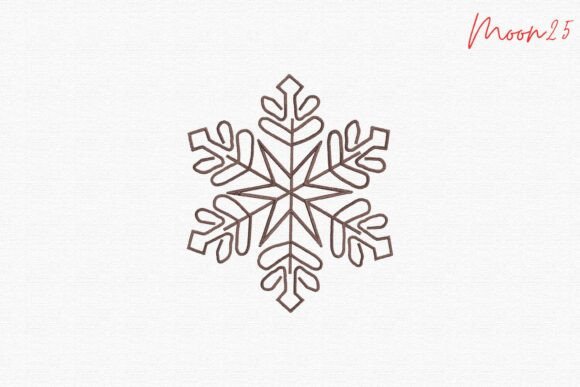
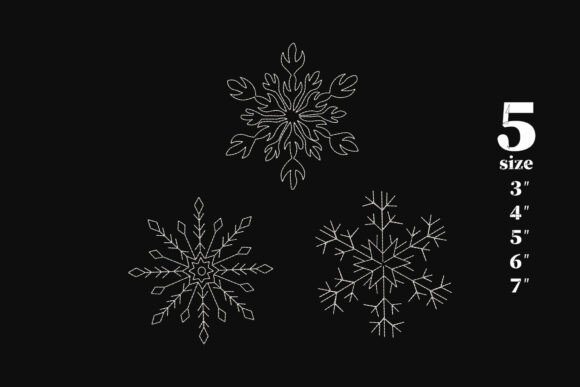
When I first look at a new embroidery file, I judge it on its immediate visual mood and its potential to turn heads at a busy market. The Snowflakes design, as described, promises elegance and eye-catching appeal. This suggests a design that leans towards a festive, decorative, and premium feel, rather than a rustic or overly cute one. For a winter-themed booth, that's a strong starting point. Elegant designs often translate to higher perceived value, which is crucial for handmade products sold at craft fairs.
Where Snowflakes Would Stand Out on the Booth Display
My booth strategy is to create visual clusters. I imagine Snowflakes performing exceptionally well on certain products. An embroidered tote bag or a market bag with this design would serve as a perfect large focal point, drawing customers from a few feet away. For a softer, giftable approach, a simple pillow cover or a fabric pouch with a single, well-placed snowflake would feel luxurious. Tea towel embroidery is a perennial favorite, and an elegant snowflake on a high-quality linen towel could anchor a whole "winter kitchen" section of my table.
Snowflakes also has strong potential as an embroidered patch. This opens up versatility—I could offer the patches themselves or apply them to caps and aprons. On a curved cap surface, I would need to be cautious, but a well-executed snowflake patch could become a standout item for winter sports enthusiasts or anyone wanting a touch of seasonal flair.
Practical Production: From Digital File to Finished Product
Turning a digital embroidery file into a batch of craft fair products requires careful planning. The description mentions the design is "easy to stitch," which is a relief for batch production. High-quality, fun designs that stitch smoothly mean I can produce more units with fewer headaches, a key concern for any small shop product.
Key Considerations Before Hooping the First Item
As an experienced embroidery designer, my pre-production checklist is rigorous. First, I must test Snowflakes on scrap fabric that matches my intended materials—perhaps a sturdy canvas for a tote and a softer cotton for a pillow. This test reveals everything. I check thread contrast: does a white snowflake pop on a dark fabric, or do I need a silver or light blue to maintain clarity? I inspect stitch density in any dense areas to ensure it won't pucker or distort the fabric, especially on textured towels.
I review the spacing and overall composition to confirm if the design works beautifully at a smaller size as an accent on a pouch, or if it truly needs a larger hoop size to retain its elegance. The note that it includes "multi" suggests perhaps multiple sizes or variations, which is excellent for product variety. I would absolutely create at least one real, physical mockup of my intended bestseller—likely a tote bag. A real mockup tells me how it photographs for my Etsy listings and printable mockups, and how it feels in a customer's hands. Handmade quality is judged in person.
Selling Power: Attention, Value, and Engagement
A design's success at a craft fair hinges on three things: customer attention, perceived product value, and booth engagement. Snowflakes, with its elegant and eye-catching nature, should grab attention quickly. It creates a natural "winter" narrative, making my booth display feel cohesive and themed. Brand consistency for a seasonal booth is strengthened.
The Buyer's Eye: What Makes a Customer Stop and Look
Customers at a handmade market are looking for something special. A beautifully embroidered snowflake on an apron signals a premium, thoughtful handmade product compared to a plain one. On a tea towel, it transforms a utilitarian object into a decorative gift. The key is to ensure the design's clarity is maintained on every finished product. Tiny details or small lettering, if present in this design, could lose impact on rougher fabrics, so product selection is crucial. I would likely avoid using it on very thick or overly textured fabrics unless my testing confirms perfect results.
For buyer engagement, I plan to have a sample item, like a pillow, out for customers to touch. The tactile quality of embroidery adds immense value. Talking about how the machine embroidery design was chosen for its elegance becomes a part of the sales story.
Final Designer Notes for Commercial Success
Before committing to a full production run for my craft fair booth, I must address the final practicalities. Using the right stabilizer for each fabric type is non-negotiable to preserve that "high-quality" look. I compare fabric colors thoroughly—a snowflake design might shine on classic winter whites and blues, but also on unexpected deep burgundies or grays.
Most importantly, I must confirm the commercial embroidery license for the Snowflakes file. As a professional selling handmade products, I cannot assume. The description provided does not specify license terms, so checking this with the digitizer is an absolute prerequisite before any finished products are sold. This safeguards my small business.
In conclusion, Snowflakes presents a versatile and promising foundation for a range of winter market products. Its elegant mood aligns with higher-value items, and its described ease of stitch suggests good production scalability. By carefully selecting the right products—focusing on totes, towels, pillows, and patches—and rigorously testing on actual materials, this design can become a profitable and beautiful centerpiece for a winter-themed booth, capturing the eye and interest of creative customers looking for that special handmade touch.