Candy Cane Embroidery: A Designer’s Eye for Holiday Projects
When an embroidery file like ‘Candy Cane’ comes across my screen, my first thought isn’t about the festive theme. It’s about the work. How will this design translate from a digital preview into stitches on real fabric? What kind of project will it elevate, and where might it demand a little extra care from me or my fellow makers? Let’s talk about this design as if we’re preparing it for a real hoop, not just admiring it on a listing.
The Immediate Mood and Visual Personality
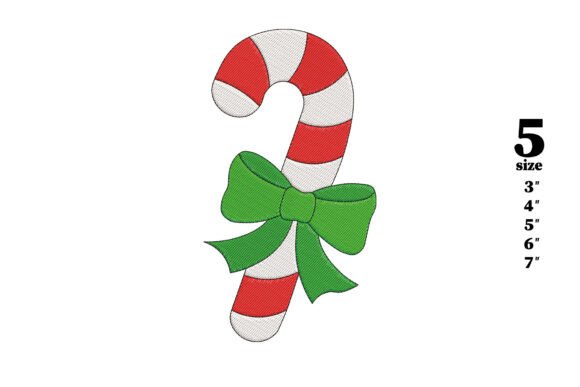
This Candy cane embroidery design presents a classic, clean holiday symbol. Its strength is in its simplicity and recognition. The mood is playful yet elegant—it doesn’t scream Christmas, but whispers it with a confident, graphic shape. The layout feels balanced, and the detail level suggests it’s built for clarity, not overwhelming intricacy. This isn’t a fussy, hyper-detailed illustration; it’s a confident emblem. That visual personality tells me it belongs perfectly on items meant for gifting, for boutique holiday merchandise, or for adding a subtle festive touch to everyday objects. Imagine it on a linen tea towel in a kitchen, or centered on a child’s sweater. It feels friendly and approachable, which is exactly what you want for handmade holiday products.
Where This Design Finds Its Natural Home
In practical use, this design’s versatility is its main advantage. I’ve mentally run through a dozen applications. For a custom apparel project, like a simple sweatshirt or a cotton tote bag, it would act as a perfect focal point. Its elegant, eye-catching promise holds true here—it would draw attention without dominating the entire garment. For small business merchandise, think of a beautifully embroidered apron for a holiday market or a simple patch that could be applied to a blanket or pillow cover. For baby embroidery, a single candy cane on a little onesie or nursery decor item becomes a sweet, personalized gift without being too loud.
The design also fits beautifully into the world of digital product sellers and creative entrepreneurs. Because of its clean shape, it would render wonderfully in printable mockups for your Etsy listings or craft fair product previews. It’s a solid design asset for building a cohesive holiday collection—you could easily envision a series of products featuring it, from caps to kitchen towels, creating strong brand consistency for your small shop.
A Real Scenario: The Holiday Tote Bag
Picture this: you’re preparing a batch of embroidered tote bags for a holiday pop-up shop. You choose a natural canvas fabric. You hoop it, select a classic red and white thread palette for the Candy cane, and stitch it. The result is a product that feels both handmade and professional. The design’s clarity ensures every curve of the cane is distinct, making the finished product look valuable. A customer’s reaction is likely immediate recognition and a sense of quality—they trust the craftsmanship because the embroidery is clean and intentional. This directly boosts buyer engagement and giftability. It’s not just a bag; it’s a holiday-ready accessory.
Practical Considerations for Stitching Success
Now, for the designer’s notes. While the description says it’s easy to stitch, your experience depends on preparation. First, always test the embroidery file on a scrap of your intended fabric first. This is non-negotiable. Check the stitch density on that scrap—does it feel appropriate for your fabric weight? A very dense fill stitch might be perfect for a sturdy tote bag but could be too heavy for a thin, stretchy t-shirt. For textured fabrics like sweaters or for curved surfaces like caps, you’ll need to consider stabilizer choice carefully to maintain that elegant shape.
Thread color contrast is key. On dark fabric, you might need to reconsider the white sections or ensure you have a bright, opaque white thread. On light backgrounds, the red needs to be rich and saturated to pop. Always review the small details in your test run—are any corners or tiny areas (if present) stitching cleanly? This prevents surprises on your final project.
Hoop size is a practical concern. While I can’t specify the exact hoop size from the description, the design’s likely scale means it should fit comfortably in a common, moderate hoop. However, if you’re considering very small hoop sizes for items like baby clothes or delicate patches, you need to confirm the design’s minimum size for clarity. Also, for products that need frequent washing, like apparel or kitchen towels, a well-digitized design with secure satin stitches or fill stitches will hold up better. Your test on scrap fabric will reveal this durability.
Spots for Extra Careful Application
There are always places where a design requires a more thoughtful approach. For this Candy cane, be mindful on very stretchy fabrics without proper stabilizer—the straight lines could distort. On layered garments with thick seams, like the center of a cap, placement is crucial for visual balance. Also, if you’re considering using it as an applique design base (if the file includes that option), the process adds another layer of skill but can create a fantastic textured look.
For commercial embroidery projects where speed and consistency are paramount, this straightforward design is a good candidate. It likely stitches efficiently without excessive thread changes or complex jump sequences. For craft business owners selling finished items, always confirm the licensing terms for the digital embroidery file before selling your handmade products. This protects your business and ensures professionalism.
Turning a File into a Finished Product That Resonates
Ultimately, an embroidery design like Candy Cane is a tool. Its value is realized in how you use it. When stitched well on the right product, it enhances visual appeal through clean execution. It increases the perceived value of a sweatshirt, a pillow cover, or a holiday gift. It supports your handmade presentation by looking deliberate and skilled. For the maker, it’s a reliable asset that can be used across a holiday line, creating cohesion in your Etsy shop or boutique branding.
My final, friendly advice is to embrace its festive spirit but ground your work in practical steps. Test it. Compare it on light and dark fabric backgrounds in your mind or with simple black and white mockups. Choose projects that match its graphic personality. Then, hoop your fabric, trust your machine, and watch this simple, beautiful Candy cane become an elegant, eye-catching part of someone’s holiday. That’s the real project use we’re all aiming for.