Crafting Halloween Magic: The Owl & Potion Embroidery Design
As someone who stitches products for craft fairs week after week, my first look at a new design is always a practical one. It’s not just about whether it’s pretty—it’s about whether it will sell from a table surrounded by handmade market products. When I saw Halloween Owl with Potion, my immediate impression was decorative, festive, and perfectly balanced for the season. It feels neither overly cute nor overly spooky; it has a handcrafted elegance that can appeal to a broad range of customers looking for Halloween decor that’s beautiful, not just bold.
Where This Design Stands Out on Your Booth Table
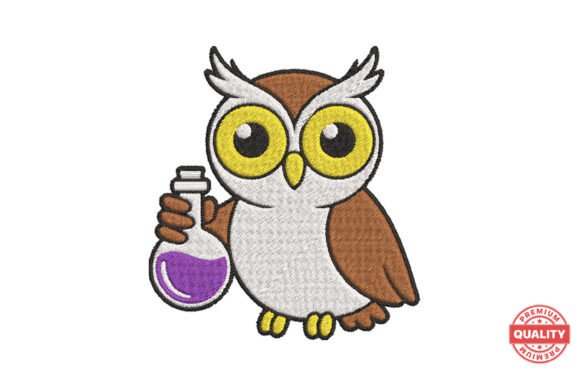
Imagine your display: a mix of embroidered tote bags, aprons, tea towels, patches, caps, and small pouches. Halloween Owl with Potion has the compositional strength to act as a focal point. The owl, centered with a potion bottle, creates a narrative scene. This isn’t a tiny accent; it’s a story piece. On a dark fabric tote bag or a crisp pillow cover, it will immediately draw the eye. Customers browsing a busy craft fair often decide in seconds, and this design provides enough detail to intrigue them from a few feet away.
For booth samples, I would prioritize making it a centerpiece. A large pillow cover or a market bag with this embroidery file stitched prominently becomes a powerful anchor for your Halloween section. Its decorative nature also makes it a natural fit for kitchen towels and aprons, blending holiday festivity with functional home goods. As an Etsy seller, this design also translates beautifully into printable mockups and listing photos—the clear silhouette and thematic elements are easy to understand at a glance online.
Practical Production: From File to Finished Product
Turning a digital embroidery file into a batch of craft fair products requires forethought. With Halloween Owl with Potion, the key considerations are stitch density and detail clarity. Designs with intricate elements, like the potion bottle details and the owl’s feathers, need careful testing. My first step is always to stitch it out on scrap fabric that mimics my final product material—a textured tea towel, a sturdy tote canvas, a curved cap surface. This reveals any potential issues.
You must check thread contrast, especially if you plan to stitch on dark fabric, which is popular for Halloween. The design likely uses multiple thread colors to create its decorative feel. Review the spacing; ensure elements aren’t so close that they become a dense, stiff area on thinner fabrics like pouches. Confirm the hoop size requirements from the file provider; a design this comprehensive may need a larger hoop to preserve all its detail, making it ideal for bigger items like pillow covers and tote bags.
Always use the right stabilizer for the fabric texture. A design with varied stitch density can pucker on stretchy or loosely woven fabrics if not stabilized properly. Before any batch production for your small shop, create at least one real, finished mockup. Compare how it looks on different fabric colors—a cream linen apron versus a black cotton tote. This not only tests production but also helps you decide which product gives Halloween Owl with Potion the best chance to sell.
Selling Power and Customer Engagement
This machine embroidery design adds significant perceived value to a handmade product. The complexity suggests skill and time, which supports a premium price point at a handmade market. It reinforces a brand consistency for sellers specializing in decorative, seasonal work. In a booth display, a cohesive line of Halloween products featuring this design—a towel, a bag, a patch—creates a strong thematic section that encourages multiple purchases.
Customer attention is captivated by the unique handcrafted feel the description promises. It’s not a generic Halloween bat; it’s an artistic scene. This engages buyers looking for something special, whether for their home or as a gift. For commercial embroidery businesses, it’s a versatile asset. However, a critical note: always confirm the commercial licensing terms for the digital embroidery file before selling finished products. Do not assume.
Careful-Use Notes for Batch Success
Be mindful of tiny details and small lettering if present. When stitched at a smaller size for a cap or a patch, some fine lines might lose clarity. Test it at your intended finished size. Dense stitch areas, perhaps in the owl’s body or the potion bottle, can be stiff on flexible items like fabric pouches; consider using them on more structured products.
Photographing these items for Etsy listings or social media is crucial. The design, with its clear focal point, photographs well. Use natural light to show off the texture of the embroidery stitches, which is a key selling point. For batch production, if the design stitches cleanly and reliably on your chosen product after testing, it feels repeatable. That reliability is vital when you need to produce dozens of tea towel embroidery pieces or tote bag designs for a weekend fair.
Final Designer Thoughts for Creative Entrepreneurs
Halloween Owl with Potion is a strong contender for your seasonal lineup. It straddles the line between home decor and fashion project, as the description notes, making it applicable across many products. Its decorative quality makes it feel premium, which aligns with the handmade market ethos. For Cricut and embroidery crafters adding machine embroidery to their offerings, this design offers a compelling, textured contrast to other techniques.
In the end, the success of any embroidery file at a craft fair comes down to execution. Test thoroughly. Choose the right product pairing—I believe it shines brightest as a large decorative element on home goods like pillow covers and towels, or as a statement piece on a tote bag. It has the visual appeal to stop a customer, and the handmade quality to close the sale. Bring that beauty and texture to life, and let this Halloween owl work its magic on your booth.