Evaluating the Milkshake Machine Embroidery Design for Boutique Apparel
As a professional embroidery designer preparing a limited sweatshirt collection for a small boutique brand, my first step is always a thorough evaluation of the chosen design. Today, I’m reviewing the Milkshake Machine Embroidery Design. My goal is to determine if this embroidery file truly translates into a premium, market-ready product that resonates with our audience of creative, style-conscious customers.
First Impression: Playful Charm with Boutique Potential
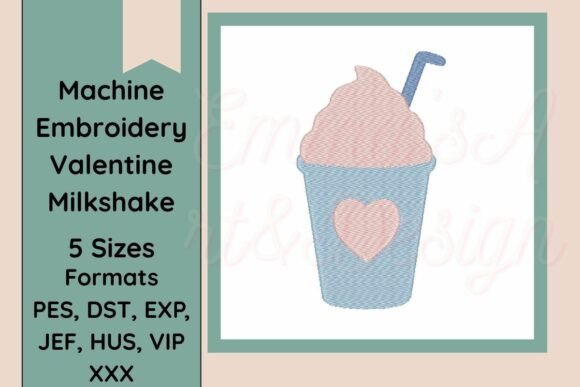
Opening the digital embroidery file, the initial mood is unmistakably sweet and playful. The theme suggests a charming, slightly nostalgic take on a classic milkshake machine, which immediately sets a positive tone. This isn’t a generic graphic; it feels crafted with a decorative intent. The layout appears balanced, with details that promise good visual interest without being overly chaotic. For a boutique brand, this first impression is crucial—it tells me the design has personality, a key element for building a unique brand identity in a crowded market like Etsy or small shop platforms.
I envision this design on our core product: a high-quality, neutral sweatshirt. The contrast would be lovely, creating a focal point that’s both cute and sophisticated. On darker fabrics, like charcoal or black hoodies, the lighter thread colors implied by the theme would pop beautifully, offering a bold yet feminine statement. For a softer, seasonal approach, stitching it onto pastel-colored or oversized cozy hoodies would amplify its playful and romantic character, perfectly aligning with casual, love-themed projects. The design feels neither overly rustic nor strictly minimal; it occupies a sweet spot of being decorative enough to feel special but clean enough to look professional on finished apparel.
Application: From Hoodie Chest to Sleeve Accents
When planning a sweatshirt embroidery project, placement is everything. For the Milkshake Machine Embroidery Design, the classic chest placement on a hoodie or sweatshirt is a natural fit. It becomes a central brand marker for boutique merchandise, instantly recognizable in lifestyle product photography and mockup previews. This is vital for Etsy listings and custom apparel branding—a strong, well-executed design boosts buyer trust and suggests higher product value.
But its versatility extends further. Considering it as a smaller sleeve accent could add a delightful detail to a simpler sweatshirt, appealing to customers who prefer a more subtle handmade presentation. I also evaluate its potential as a larger back design for an oversized hoodie. Would the detail level hold up at a bigger scale? The design’s composition suggests it should, creating a striking piece for custom apparel that drives customer engagement. For small clothing brands, this flexibility means one digital embroidery file can serve multiple products in a collection, maximizing the utility of our design assets.
The Practical Designer’s Checklist
Moving beyond aesthetics, I must address the technical realities of commercial embroidery. A beautiful design must also be a robust one.
Thread, Fabric, and Stitch Integrity
Thread color contrast is my first practical concern. Based on the theme, I anticipate needing a palette that includes lighter creams or pinks against potentially darker chocolatey browns. This contrast must be tested on our actual fabric swatches—a neutral sweatshirt fabric’s texture can mute colors, while a dark fabric can make them vibrate. The chosen thread colors will directly affect whether the finished product feels premium.
Stitch density and fabric thickness are intertwined. Sweatshirt material, especially for premium cozy seasonal apparel, is thick. A design with too low stitch density can look sparse and weak; too high density can create a stiff, uncomfortable patch. I look for a balanced density that promises good coverage without compromising the garment’s softness. This directly impacts washing durability—a properly dense design anchored with the correct stabilizer will survive many washes, a must for commercial embroidery that builds long-term brand loyalty.
Execution and Scale
Hoop placement and small-size readability are next. Before production, I need to verify the recommended hoop size for this machine embroidery design. A design that fits well in a common hoop size simplifies production for apparel decorators. More importantly, if we opt for a smaller version as a sleeve accent, every element must remain clear and unbroken. If the design includes tiny details, they might blur at a reduced scale, weakening the overall handmade presentation.
The choice of stabilizer is critical. For sweatshirt embroidery, I typically lean toward a sturdy cut-away to ensure the design holds its shape permanently on a stretchy, textured fabric. This extra step ensures the Milkshake Machine Embroidery Design looks crisp and professional for years, justifying a higher price point and enhancing visual recognition for our boutique brand.
Seasonal Synergy and Brand Alignment
The description notes this design is perfect for Valentine’s Day and love projects. This isn’t just a marketing tag; it’s a design direction. The sweet, playful mood inherently aligns with seasonal collections. For a small shop planning a themed drop, this embroidery file offers a ready-made centerpiece. It allows crafters and digital sellers to create cohesive seasonal apparel—from Valentine’s-focused hoodies to year-round “love project” sweaters—without custom illustration work.
Ultimately, my review confirms that the Milkshake Machine Embroidery Design has the strong foundation needed for commercial apparel use. It possesses the charm to attract customers and the suggested structural integrity to withstand production and wear. It can elevate a simple sweatshirt into a boutique-worthy product, increasing perceived value. For embroidery shops and handmade business owners, it represents a versatile design asset capable of supporting multiple product lines.
A Final Note Before Production
My evaluation is based on the design’s apparent characteristics. Before moving to the embroidery machine, I must remind myself and fellow creative entrepreneurs to check the specific technical details not provided in the description. The exact stitch count, the included file formats, the explicit license terms for commercial use, and the tested hoop sizes are all essential pieces of information. Acquiring and verifying these details is the final, non-negotiable step to ensure this charming design translates successfully into a profitable, premium-quality finished product for our boutique brand.