Rainbow Popping Unicorn: A Designer's Honest Review
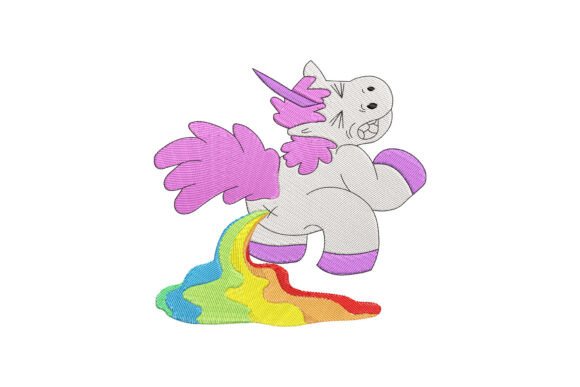
When I first opened the file, the Rainbow Popping Unicorn design made me smile. That’s a good start. In the world of machine embroidery, a design’s first impression isn't just about aesthetics; it’s a gut check for its project potential. This design has a playful, slightly cheeky personality that immediately suggests it’s not meant for a formal pillow in a sitting room. It’s for fun.
Where This Unicorn Finds Its Magic
The theme sits squarely in Fairy Tales, but with a modern, humorous twist. The layout is typically centered and balanced, making it a straightforward choice for hooping. The level of detail feels intentional—not overly dense, which is a practical win. It promises to be easy to stitch, as the description notes, and that’s a crucial factor when you’re considering it for custom apparel or items you’ll produce repeatedly.
Let’s talk about a real scenario. I’m imagining preparing a custom embroidered tote bag for a craft fair. The tote is a sturdy canvas. This unicorn, with its rainbow elements, would pop with bright thread colors against that natural fabric. It’s a design that doesn’t whisper; it announces itself. That makes it perfect for products meant to attract attention: tote bags, sweatshirts, or even a vibrant apron. For a baby item, like a onesie, the playful nature works, but you’d want to consider size and placement carefully.
The Practical Stitching Considerations
Performance in real-life embroidery is where theory meets the needle. On a standard cotton t-shirt, with proper stabilizer, this design should stitch out cleanly. The likely use of satin stitches for outlines and fill stitches for color blocks means you need to pay attention to thread color contrast, especially if you deviate from the suggested palette. On a dark fabric background, those rainbow colors need to be vivid and opaque to hold their visual appeal.
There are, however, places where you should use this design carefully. If you’re thinking of a cap or a curved surface, the design’s overall shape and any potential small details in the unicorn’s features or the rainbow arcs need to be evaluated for distortion. On very thin or stretchy fabric, the stitch density, even if it’s moderate, could pose a challenge without the right stabilizer combination. And for items that need frequent washing, like kitchen towels or kids’ clothes, ensuring the design is securely stitched without overly dense areas that could wear quickly is key.
How This Design Elevates Your Product
From a business perspective, the Rainbow Popping Unicorn affects several things. Its visual appeal is high for a niche audience—it’s a conversation starter. That directly impacts product value in a handmade shop or Etsy listing. It feels like a personalized gift, something with character. For a small business owner, using such a design consistently on a line of products, say pillow covers or tea towels, can build a recognizable, friendly brand.
Stitching clarity is paramount for customer trust. A clean, well-executed version of this design on a finished product signals professionalism. It turns a fun digital file into a tangible, quality handmade product. Its giftability is obvious—it’s perfect for birthdays, holidays, or just a lighthearted holiday gift. For commercial embroidery projects, like producing a batch for a boutique, it’s a design that’s likely to engage buyers quickly, but its success hinges entirely on flawless execution.
Essential Designer Notes Before You Hoop
Before you commit this to a client’s sweatshirt or your own craft fair products, do the groundwork. Always test the design on scrap fabric first. Use the same material you intend for the final project. This lets you inspect small details, review the actual stitch density, and confirm the effective hoop size.
Check how it looks in both light and dark fabric background simulations. Create simple black and white mockups to assess the form without color distraction. This is invaluable for printable mockups in your digital product listings. For embroidered patches, test its stability on the intended backing material.
Crucially, verify the licensing terms of this embroidery file. The description provided doesn’t specify. You must confirm whether it’s suitable for both personal and commercial projects before selling any finished items or including it in your commercial design assets. Never assume.
The Final Impression: A Design with Purpose
The Rainbow Popping Unicorn isn’t a generic filler design. It has a specific mood and a clear target audience. It belongs on products where humor and whimsy are welcome. In my judgment, it would shine on a decorative pillow cover in a child’s room, as a standout feature on a blanket for a gift, or as the central motif on a boutique product like a special occasion apron.
For apparel decorators and creative entrepreneurs, it’s a design that adds personality without being overly complex to produce. That balance is valuable. Your job as the maker is to pair it with the right fabric, the perfect thread choices, and a meticulous setup to let its playful character come through in every stitch. When done right, it tells a story—one that your customer will want to wear, carry, or give as a token of cheerful, crafted fun.