Santa Chimney Christmas: A Designer’s Practical Review
When a new embroidery file lands in my library, the first thing I do is imagine it stitched out. Not in a software preview, but on real fabric, under a hoop, with thread pulling through. That’s the moment a design like Santa Chimney Christmas proves its worth. As someone who embroiders for clients and my own small shop, a design needs to be more than cute—it needs to perform.
The First Impression: Personality That Translates
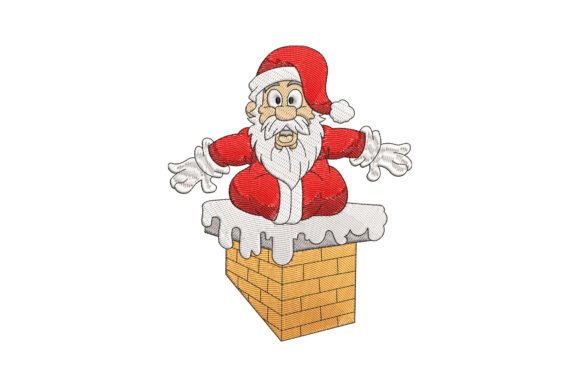
Santa Chimney Christmas has an immediate charm. It’s not just a Santa; it’s a scene. The chimney element gives it a narrative—a little story in stitches. This kind of visual personality is gold for craft businesses. When a customer looks at an embroidered tote bag or a child’s sweatshirt, they’re buying a feeling, a bit of holiday magic. This design creates that mood effortlessly. Its layout feels balanced, not overly dense, suggesting it will stitch cleanly without becoming a puffy, rigid patch on softer fabrics like apparel.
Where This Design Finds Its Home
My mind immediately goes to applications. For a boutique owner, this is a versatile asset. Let’s walk through a real scenario: I’m preparing a limited run of holiday tea towels for my Etsy shop. I want something festive but not overly generic. Santa Chimney Christmas fits perfectly—its size and detail level are ideal for a decorative fabric piece like a towel or a pillow cover. The personality shines without needing enormous hoop sizes.
For personalized gifts, imagine this stitched on a cozy fleece blanket with a family name below it, or as the centerpiece on a custom apron for a holiday dinner host. It’s equally strong for commercial embroidery projects: a local business could order embroidered caps with this design for a seasonal promotion. The key is its adaptability. It would work well on a baby’s romper (with careful fabric choice) because the theme is sweet, not scary, and on a sturdy tote bag where the stitches can really pop.
Careful Stitching: Navigating Potential Pitfalls
No design is universally perfect, and a professional review means acknowledging where extra care is needed. The chimney element and likely Santa’s details mean there are areas of potential density. On very thin or stretchy fabric like a fine t-shirt, using a proper stabilizer is non-optional to prevent puckering. If there are small, intricate details—like tiny ornaments or facial features—they might need a slower stitch speed or a sharp needle to maintain clarity.
For dark fabric backgrounds, thread color contrast becomes critical. This design likely uses traditional reds and whites, which stand out beautifully on light fabrics, but on a navy sweatshirt, you might need to adjust the white areas to a brighter, more opaque thread or even consider a cream color to ensure the design doesn’t get lost. Embroidering on curved surfaces like caps requires checking the design’s orientation and ensuring the stitch count isn’t so high that it creates a stiff, uncomfortable panel.
From File to Finished Product: Building Trust
How a design stitches out directly impacts customer trust and your brand’s professionalism. A clean, crisp rendition of Santa Chimney Christmas on a product tells a buyer that the maker cares about quality. For an Etsy seller or apparel decorator, that finished product look is what sells the next item. This design, with its friendly theme, enhances giftability. A holiday gift embroidered with this feels thoughtful and handmade, not mass-produced.
It also aids in recognition. In a craft fair booth, a line of tote bags with this consistent, cheerful design creates a cohesive and attractive display. It becomes a small shop product line, not just a one-off.
The Designer’s Essential Pre-Stitch Checklist
Before I ever load this embroidery file for a real project, here’s my practical process:
- Test on scrap fabric first. Use the same material you plan for the final product. See how the satin stitches and fill stitches behave.
- Check thread color contrast. Stitch a sample on both a light and dark scrap to visualize the final appeal.
- Review stitch density in the preview software. Are there overly dense areas that might cause fabric distortion?
- Confirm the effective hoop size. The product description suggests it’s easy to stitch, implying it’s not gigantic, but always verify the dimensions required for your specific machine.
- Inspect small details. Look for any tiny running stitch elements or corners that might need slight adjustments for perfect clarity.
- Use it in black and white mockups. For digital product sellers, creating printable mockups in various colorways shows versatility.
- Most crucially, confirm the licensing terms. Before selling any finished items or using it in commercial embroidery, ensure your use is permitted by the digital embroidery file’s license.
A Design That Supports Your Creative Work
Santa Chimney Christmas isn’t just a holiday motif; it’s a reliable design asset. For the hobbyist making gifts, it simplifies the process with its described ease. For the entrepreneur, it becomes a tool for creating revenue—from embroidered patches sold online to custom baby clothes in a boutique. Its strength is in its balanced composition: it has enough detail to be interesting but seems designed to stitch without frustration, making it a practical choice for both personal joy and business growth.
In the end, the best embroidery designs are those you can trust to look as good in reality as they do on screen. They become part of your workflow, not a source of troubleshooting. Based on its character and the practical considerations outlined, Santa Chimney Christmas has the makings of such a design—one that ends up not just in your hoop, but happily on your products and in your customers’ hands.