Stethoscope Hand Embroidery Design Review for Professional Projects
As an embroidery designer who relies on digital files for both personal projects and commercial work, I approach every new design with a critical eye. My livelihood depends on designs that stitch out flawlessly, add tangible value to my finished products, and resonate with my customers. When I considered the Stethoscope Hand embroidery design from Creative Fabrica for a potential customer order, I evaluated it from a perspective of real-world application, not just a visual preview.
First Impressions: Personality and Project Fit
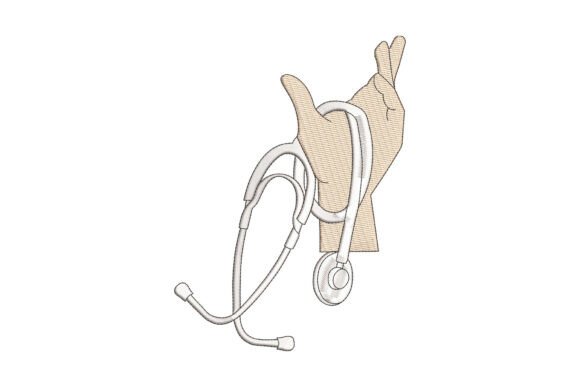
The immediate appeal of the Stethoscope Hand design is its clear, thematic focus within the Work Occupation category. It possesses a friendly, illustrative personality rather than a rigid, clinical feel. This makes it versatile beyond purely medical-themed items. The design feels decorative and approachable, suggesting it would work well for gifts celebrating healthcare workers, students graduating in medical fields, or simply adding a unique graphic to everyday items.
My first thought was its natural fit for custom apparel like t-shirts and sweatshirts, as mentioned in the description, but my mind also went to tote bags for nurses, aprons for a clinic's staff event, or even a baby blanket for a newborn in a medical family. The design's style hinted it could be a charming addition to pillow covers or nursery decor in a healthcare-themed room. For my small business, this meant potential applications for Etsy listings, craft fair products, and boutique merchandise aimed at a specific, appreciative audience.
Performance in Real Embroidery Work: A Practical Evaluation
When translating a digital embroidery file into a physical stitched product, several factors determine success. The product description notes the design is "Easy to stitch," which is a crucial starting point for professionals managing time and material costs.
For typical applications like t-shirts and tote bags, I would assess a few key elements. The design appears to have areas of potential density—likely the hand and stethoscope outline. On stretchy fabric like sweatshirt fleece, proper stabilizer choice would be paramount to prevent puckering. On dark fabric, I would need to plan thread color contrast carefully, possibly opting for bright, crisp whites and metallic accents for the stethoscope details to ensure visibility.
More challenging surfaces, like curved cap surfaces, would require a close review of the design's size and stitch layout. Small, intricate details within the stethoscope tubing or fingernails could become lost or blurry if the design is too dense for a curved, smaller hoop area. Similarly, using it for an embroidered patch would require the design to have clean, defined edges—likely through satin stitch borders or clear fill stitch areas—to look professional when applied.
Items like kitchen towels or aprons that need frequent washing demand robust stitching. I would look for smooth transitions between stitch types (like from fill stitch to running stitch) to avoid weak points that could fray over time. Before committing to any customer project, my standard practice is to test on scrap fabric of the same type I plan to use, review stitch density, and confirm hoop size suitability.
Adding Value to Finished Products and Customer Trust
The ultimate test of any embroidery file is how it elevates the final product. The Stethoscope Hand design, by virtue of its specific theme, instantly adds narrative value. A tote bag featuring this design isn't just a bag; it's a personalized, meaningful item. This directly impacts giftability and customer engagement. For an Etsy seller or creative entrepreneur, such a design can help build a niche product line.
Visual appeal and crisp execution are non-negotiables for brand consistency. If the design stitches out cleanly with minimal thread breaks or registration issues, it presents a high-quality, professional handmade product. This builds buyer trust. Furthermore, a well-embroidered item using a clear, attractive design like this one photographs well for product photography and printable mockups, which are essential for online sales.
For commercial embroidery projects, such as bulk orders for a small clinic or university program, reliability is key. The design needs to run smoothly on the machine with consistent results across multiple items. The "easy to stitch" claim, if true in practice, would support this commercial use.
Essential Pre-Use Checks for Professionals
My workflow before using any new Creative Fabrica embroidery design, including Stethoscope Hand, involves a few critical steps that I recommend to all fellow crafters and business owners.
- Check the Product Details Page Thoroughly: I never rely solely on the brief description. I check the full Creative Fabrica product page for the exact embroidery file formats provided, the listed minimum hoop size, and any notes on stitch count or layers. If specific details like formats or compatibility aren't provided in the snippet I see, I absolutely look for them on the full page before downloading.
- Review Licensing for Commercial Use: Since I sell finished items, I must confirm the license terms associated with the digital embroidery file. This is a fundamental step to ensure my finished product sales are compliant.
- Compare Light and Dark Fabric Mockups: Using software to preview the design on both light and dark backgrounds helps plan my thread palette and stabilizer needs.
- Inspect Small Details After a Test Stitch: After my test run on scrap fabric, I closely examine the smallest elements. Are the lines crisp? Do any areas have excessive jump stitches? This tells me if I need to make minor edits or use specific techniques for the final project.
Final Thoughts: Is Stethoscope Hand Worth Using?
From a professional designer's viewpoint, the Stethoscope Hand machine embroidery design presents a promising niche option. Its stylistic personality suggests it could enhance a range of projects from casual apparel to decorative gifts, particularly within the medical appreciation niche. The claim of being "easy to stitch" is attractive, as it implies efficiency and lower risk of production issues.
However, its true worth is determined by the practical details not visible in a simple preview: the actual file formats for my machine, the precise hoop requirements, and the stitch construction in dense areas. For a real customer order—say, a set of tote bags for a nurse's week event—I would proceed with cautious optimism. I would download it only after confirming the technical specifications suit my equipment and project needs, perform my mandatory test stitch, and ensure the licensing allows for my commercial application.
For embroidery designers, Etsy sellers, and apparel decorators looking for a thematic Work Occupation design, Stethoscope Hand could be a valuable design asset. Its success in your shop or project lineup, however, hinges on that diligent, professional pre-evaluation. It has the visual charm to attract customers, but its practical performance on fabric will ultimately define its place in your workflow.