The Badger Embroidery Design: A Craft Fair Showstopper
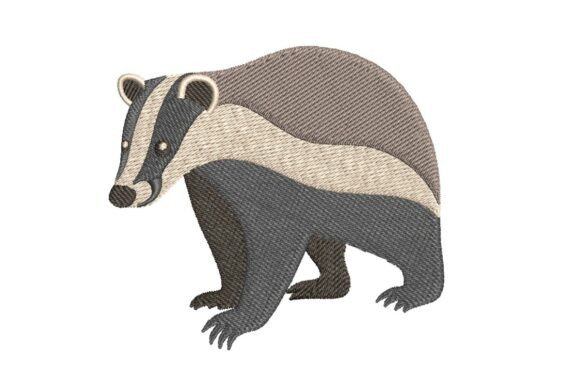
As an embroidery designer preparing for a weekend craft fair, my first task is to review every design through a lens of practicality and sales potential. When I look at the Badger embroidery design, my immediate impression is one of bold, rustic character. This is not a cute, whimsical animal; it’s a striking, textural piece that captures a spirit of the woodland with authority. That distinctive black, white, and grey striped face promises high visual impact, which is exactly what you need on a crowded craft fair table.
Where The Badger Design Stands Out on Your Booth Display
Visual appeal at a craft fair is about contrast and clarity. Customers glance quickly, so a design must be instantly understandable. The Badger’s strong facial stripes and textured fur suggestion give it that instant recognition. I envision it performing exceptionally well on certain products where its nature can be fully appreciated.
For focal pieces, I would prioritize tote bags and market bags. The design’s boldness makes it a perfect centerpiece on a neutral canvas bag, elevating a simple product into a premium, handmade item. Similarly, on a pillow cover, the Badger adds a sophisticated, rustic touch that feels both modern and cozy—ideal for buyers looking for decorative home accents.
For smaller, giftable items, consider fabric pouches or small tea towels. Here, the design acts as a beautiful accent. However, its success on items like caps or as an embroidered patch depends entirely on the final stitch detail and size. The curved surface of a cap and the potential for smaller application require careful testing.
Practical Production Notes for a Successful Handmade Product
Turning a digital embroidery file into a profitable craft fair product requires forethought. For the Badger, several production points are critical.
First, stitch density and thread colors. The description mentions black, white, and grey, which suggests areas of potentially dense stitching to create that textured fur effect. On textured fabrics like tea towels or on thick fabrics like apron canvas, this density must be tested on scrap fabric first to ensure clean results without puckering. Always use the correct stabilizer for your chosen base material.
Second, hoop size and scale. This design likely works best as a medium to large focal point. Shrinking it down for a tiny accent on a cap might lose the clarity of those distinctive stripes and become a muddy blob. Conversely, blowing it up very large could make the textured areas overly sparse. You must find the optimal size where the detail remains crisp.
Critical Checks Before Batch Production
- Always test the design on scrap fabric matching your final product material.
- Check thread contrast on both light and dark fabrics. On dark fabric, the white and grey elements must pop.
- Review spacing and detail clarity at your intended finished size.
- Create at least one real mockup of your intended final product (like a tote bag or pillow) before committing to batch production. This is your best sales sample.
- Compare fabric colors to see which backgrounds make the Badger look most striking—natural linen, cream cotton, or even a subtle grey.
- For any commercial embroidery or sale of finished products, confirm commercial licensing for the digital embroidery file before selling.
How The Badger Design Enhances Sales & Buyer Engagement
This design affects your booth in multiple positive ways. Its strong, recognizable imagery grabs customer attention from a few feet away, drawing them in to examine the handmade quality. On a well-made product, it significantly increases perceived product value. A simple tea towel becomes a woodland-themed kitchen work of art; a basic tote becomes a unique statement bag.
For your brand consistency, if you specialize in woodland animals or rustic themes, the Badger is a powerful addition that strengthens your niche. In your Etsy listings and printable mockups, it photographs well because of its high contrast, making online sales easier. For craft fair product displays, grouping several Badger items together (a towel, a pouch, a tote) creates a compelling vignette that tells a story and encourages multiple purchases.
Careful-Use Notes for Specific Products
- Tote Bags & Aprons: Excellent choice. Ensure the fabric weight can handle the stitch density.
- Tea Towels: Works well, but be mindful of the towel’s textured surface which can interfere with fine details.
- Caps: Potentially tricky. The curved surface and smaller available area require a simplified, possibly adapted version of the design to maintain clarity.
- Patches: Feasible if the design is kept bold and not overly detailed. A clean, bold Badger patch could sell very well.
- Small Pouches & Pillow Covers: Ideal applications. The scale is manageable and the result looks giftable and decorative.
Ultimately, the Badger embroidery design is a strong contender for your handmade market lineup. It feels premium and decorative, tapping into a rustic, natural aesthetic that resonates with buyers. Its success hinges on your practical execution: choosing the right products, testing thoroughly, and presenting it in a way that lets its wild, striking character shine. At your craft fair booth, a well-embroidered Badger on a beautiful product isn’t just a sale; it’s a conversation starter about craftsmanship and nature.