Plant Pot Digital Embroidery Design Review
As an embroidery designer preparing for a weekend craft fair, my first task is to evaluate every design file in my library for its potential on the selling floor. Today, I’m reviewing the Plant Pot digital embroidery design, imagining it stitched onto the array of products I’ll have on my table: tote bags, aprons, tea towels, caps, and pillow covers. This Bouquets Bunches category design promises a touch of nature, and my professional judgment starts with its first impression.
A Design That Feels Soft, Rustic, and Decorative
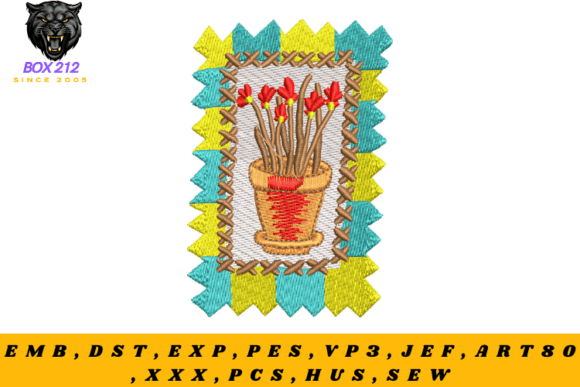
The title "Plant Pot" immediately sets a mood. This isn’t a bold, graphic logo or a festive holiday motif. It feels soft, rustic, and purely decorative. The description highlights "beautifully detailed potted plant with intricate leaves and artistic details," which suggests a design with a handmade, artistic quality rather than a minimalist line drawing. This is a key selling point for craft fair customers who are looking for that special, premium handmade feel. It won’t shout from the booth, but it will draw in customers who appreciate subtle, nature-inspired craftsmanship.
Where This Embroidery Design Stands Out on Products
My booth display strategy is about placing designs on products where they look natural and desirable. For the Plant Pot embroidery file, I see clear winners.
- Tote Bags & Market Bags: This design would be a beautiful focal point on the front panel of a canvas tote. The rustic feel pairs perfectly with natural fiber bags.
- Aprons & Kitchen Towels: For an apron, placing it on the chest pocket or lower corner creates a charming, homey accent. On a tea towel, it becomes a decorative gift item, especially on linen or a textured cotton.
- Pillow Covers: A single, well-placed plant pot design on a pillow cover can elevate it from simple to a boutique-style home decor product.
- Fabric Pouches & Giftable Items: Smaller items like zipper pouches or lavender sachets benefit from a design that isn't too large or complex. This could serve as a perfect accent.
- Embroidered Patches: If the detail holds up at a smaller size, this design could make a beautiful, stand-alone patch for customers who want to apply it to their own jackets or bags.
Caps are trickier. The curved surface and often thicker fabric can challenge designs with intricate details. I’d need to test this specifically.
Practical Production for the Craft Fair Seller
Turning a digital embroidery file into a sellable, batch-produced craft fair product requires a practical eye.
Scale and Clarity: Will It Work Small or Large?
The mention of "intricate leaves" is both a strength and a caution. The strength is visual appeal; the caution is stitch clarity. For a small accent on a pouch, tiny details might get lost or become too dense. As a larger focal design on a tote bag, those intricacies will shine and add perceived value. This means the hoop size I choose is critical. I need to know the design's native size and test it at both a smaller and larger scale on scrap fabric before committing to production.
Photography & Online Sales Potential
For my Etsy listings and printable mockups, this design should photograph beautifully. The artistic details will catch the light and show off the handmade quality in pictures, which is vital for online sales. A clean, high-contrast thread colors choice against a neutral fabric background will make the photos pop.
Batch Production and Booth Display
Is this design repeatable? For a craft fair, I need to make multiple copies efficiently. A design with very high stitch density in small areas can slow production and eat through thread. I’ll inspect the file closely. Also, for booth display strength, products featuring this design should be grouped together. A cluster of plant pot embroidered tea towels and tote bags creates a cohesive, attractive vignette that tells a story and engages buyers.
Careful Use Notes for a Professional Finish
Here are my hands-on designer notes for using the Plant Pot digital embroidery design successfully:
- Always Test First: Stitch it out on the actual fabric texture you plan to use—whether it’s coarse linen for towels or smooth cotton for bags. Check for puckering.
- Stabilizer is Key: Intricate details demand the right stabilizer to keep everything crisp, especially on stretchy or textured fabrics.
- Thread Contrast: On dark fabric, those intricate leaves might need a lighter or brighter thread palette to maintain clarity. On light fabric, a subtle, natural green palette could enhance the rustic feel.
- Create a Real Mockup: Before selling, make at least one finished product. See how it feels as a complete item. This informs pricing and sales pitch.
- Check Commercial Licensing: As a digital seller turning files into finished products, I must confirm my right to use this embroidery file for commercial embroidery and sell the resulting handmade products.
Final Judgment: A Versatile, Quality-Driven Design
The Plant Pot – Digital Embroidery Design is a strong contender for my craft fair table. It aligns with current trends in home decor and nature-inspired goods. Its value lies in its decorative, artistic detail, which elevates simple products and appeals to customers looking for that handmade touch. It won’t be the fastest stitch to produce if the density is high, but the final product quality can justify a higher price point.
My advice to fellow Etsy sellers, boutique makers, and creative entrepreneurs is this: this design has the potential to become a reliable, versatile part of your craft fair product lineup. Focus on placing it on products where its details can be appreciated—like premium tea towels and statement tote bags. Manage the production carefully with testing and proper materials, and it will enhance your brand consistency with a soft, rustic aesthetic. Bring that touch of nature to your booth, and it will likely attract the right kind of customer attention.