The Orange Floral Vine: A Designer's Review for Craft Fair Success
As a professional embroidery designer preparing for a weekend craft fair, every design choice is a business decision. When reviewing the Orange Floral Vine Embroidery for my booth, I look beyond its digital file to its real-world potential on products that sell. Here’s my practical judgment on where this warm and lively design shines, and how to turn it into profitable handmade products.
First Impression: Bold, Warm, and Decorative
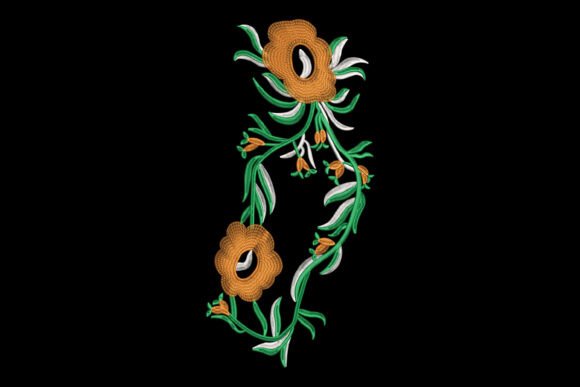
The title Orange Floral Vine immediately sets a vibrant, natural mood. The description confirms this: a flowing trail of vibrant orange blossoms with delicate green vines. This isn't a minimalist or rustic design; it’s bold and decorative. It feels energetic, warm, and distinctly floral. For customers browsing a crowded fair, this visual personality is key. It stands out from more subdued, farmhouse-style motifs, offering a pop of color that attracts the eye. In the Bouquets Bunches category, it fits perfectly as a celebratory, growth-themed piece.
Product Application: Where This Design Will Sell
My booth display will feature staple items: tote bags, aprons, tea towels, caps, patches, pouches, and pillow covers. The Orange Floral Vine isn’t a one-size-fits-all design. Its success depends on strategic placement.
Top Performers: Tote Bags, Aprons, and Pillow Covers
For larger items needing a focal point, this design excels. On a market bag or canvas tote, the flowing vine can arc across the fabric beautifully, creating a premium, handmade feel. An apron embroidery with this design, positioned on the pocket or bib, instantly elevates a simple apron into a gift-worthy kitchen accessory. As a pillow cover design, it becomes a statement piece, offering a cheerful, decorative accent for a living space. These applications use the design’s scale and energy to increase perceived value.
Accent Pieces: Tea Towels & Fabric Pouches
On tea towel embroidery, consider using a smaller, simplified section of the vine—perhaps a cluster of blossoms—as a corner accent. The vibrant orange against white or natural linen is stunning. For small fabric pouches or gift bags, a single, smaller blossom from the vine can work as a charming, delicate detail. This versatility is a huge advantage.
Considerations: Caps & Patches
The curved surface of a cap and the small size of a patch present challenges. The delicate green vines and fine stitching on blossoms may lose clarity if reduced too much. For an embroidered patch, a condensed, denser version of the main flower cluster might be necessary. Always test on scrap fabric first, especially on textured towels or dark fabric where thread contrast is critical.
Practical Production & Selling Points
Turning a digital embroidery file into a batch of craft fair products requires planning.
Understanding at a Glance
The Orange Floral Vine is easy to understand visually. Customers immediately see “orange flowers,” which is a major selling point at a busy fair. It doesn’t require explanation. This quick recognition drives impulse purchases.
Photography & Online Sales
For my Etsy listings and printable mockups, this design photographs beautifully. The vibrant orange and green contrast well against most backgrounds, making online product images pop. Creating at least one real mockup on a final product (like a tote bag) is essential to showcase the true texture and handmade quality in photos.
Batch Production & Repeatability
The flowing, organic nature of the vine means each finished product will have a unique, handmade look even in batch production. However, check the stitch density carefully. Dense stitch areas in the blossoms can be time-consuming and may require specific stabilizer and fabric choices. Review the design spacing and confirmed hoop size requirements before running multiple items. Is it efficient to produce ten tea towels in a row? Only a test run will tell.
Careful-Use Notes for the Embroidery Designer
Before selling any finished product, a professional review is non-negotiable.
- Test on Scrap Fabric: Run the machine embroidery design on the actual fabric you plan to use—be it canvas for bags, linen for towels, or twill for caps. Check for thread tension issues, especially on textured materials.
- Check Thread Contrast: The vibrant orange should be luminous. On dark fabrics, consider a lighter background fabric or a very bright, possibly even neon, orange thread to maintain the energetic feel.
- Inspect Stitch Density: Detailed blossoms are beautiful but can be stiff on lightweight fabrics like tea towels. Adjust stabilizer accordingly.
- Compare Fabric Colors: How does the orange pop on natural linen versus white cotton versus a beige apron? Small changes in base color dramatically affect the final look.
- Confirm Commercial Licensing: As a small shop product intended for commercial sale, ensure your digital embroidery file license permits this use. Never assume.
Final Booth Strategy: Customer Attention & Value
At the craft fair, I plan to make the Orange Floral Vine a hero. A well-made tote bag with this design will be my central display sample. Its warmth will attract customers from across the booth. I’ll pair it with complementary products—perhaps simple green tea towels—to create a cohesive Bouquets Bunches section in my display.
This design speaks to buyers looking for a handmade product with personality. It doesn’t look mass-produced. The delicate vines showcase embroidery skill, increasing the perceived craftsmanship and justifying a premium price. For my brand, it supports a consistent theme of natural, joyful decoration.
In conclusion, the Orange Floral Vine is a strong, sellable design for craft fairs when applied thoughtfully. Its bold, floral energy is its greatest asset. Focus on larger products where its details can shine, photograph it beautifully for online and offline sales, and above all, test it thoroughly before production. With that care, it will not only stand out on your booth table but also become a repeatable, profitable part of your handmade shop offerings.