Why This Tree Embroidery Design Feels Right for Real Projects
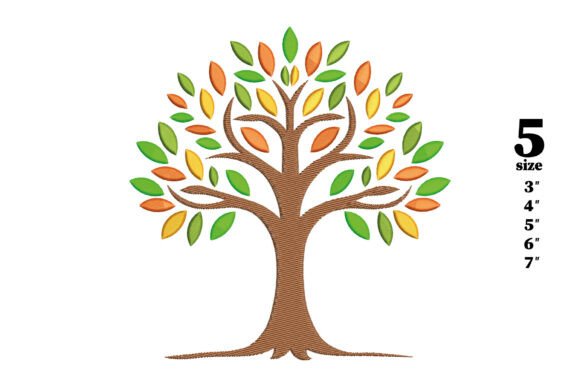
When I look at a new embroidery file, my first thought isn't just about how pretty it is. I’m thinking about how it will live on a real fabric, in a real project, for a real person. This Tree design immediately struck me with its clean, balanced shape. It’s not overly detailed or fussy, which is a huge plus. That simplicity gives it a versatile, elegant mood—it could be modern, it could be rustic, it could simply be peaceful. It doesn’t shout; it has a quiet personality that fits a lot of different visual stories.
The Perfect Project Match: From Totes to Tea Towels
I imagined stitching this onto a natural canvas tote bag for a boutique. The result would be exactly what small shop owners want: a handmade product that looks intentional and high-quality, not crowded or cheap. The design has enough presence to be the focal point on a bag or a pillow cover, but it’s not so massive that it would overwhelm a baby’s sweater or a kitchen towel. I could easily see it becoming a core design asset for a craft business making personalized gifts—think monogrammed tree ornaments for holiday gifts or a simple tree on a cozy blanket.
For apparel decorators, this is a strong candidate for custom apparel like sweatshirts and t-shirts. Its open, airy feel means the stitch density likely won’t be too heavy, which is crucial for stretchy fabrics. It would breathe nicely on a cap, too, without dense fill stitch areas becoming stiff on that curved surface. That’s a practical win.
Where a Designer Might Hesitate (And How to Prepare)
Any experienced embroiderer knows that even beautiful designs need a reality check. This Tree design’s elegance comes from its clean lines. On very textured fabrics like a thick sweater, those lines might lose some clarity. On dark fabric backgrounds, you’d need to choose thread colors with strong contrast to keep it eye-catching. This isn’t a criticism of the design; it’s just standard practice.
My main advice for anyone, whether a hobbyist or an Etsy seller preparing merchandise, is to always test it on scrap fabric first. Use the same stabilizer you plan for the final project. This tells you everything: how small details like the trunk or leaf clusters come out, whether the design needs a minimum hoop size to maintain integrity, and how it feels after a wash—especially important for products like aprons or baby clothes that need frequent laundering.
How This Design Translates into Customer Trust
When you’re selling finished products, the embroidery file is just the start. What matters is the finished product’s visual appeal and perceived value. A design like this Tree, when stitched well on appropriate fabric, looks professional. That builds customer trust instantly. It says the maker paid attention to craftsmanship. For a personalized gift, like a wedding gift pillow cover, that sense of careful, elegant execution is everything. It elevates the item from “crafted” to “heirloom-quality.”
For commercial embroidery projects or digital product sellers offering printable mockups, this kind of clean, universally pleasant design is gold. It’s easy for a buyer to envision on their own product, which increases engagement. It supports brand consistency for a small business—you could use it across a line of tea towels, aprons, and tote bags without it feeling repetitive.
Your Next Steps Before Hooping Up
Confidence in your project comes from preparation. Here’s my quick list of embroidery designer notes for putting this Tree into action:
- Source the actual machine embroidery design files and confirm the formats work with your system.
- Check if it’s a multi-part design (like involving applique) or uses specific stitch types like satin stitch borders. The description suggests “includes multi,” so understanding the construction is key.
- Plan your thread colors. Do a test in both light and dark fabric backgrounds. A black and white mockup can help judge contrast.
- Absolutely confirm the licensing before selling finished items or digital products. Know if it’s for personal use, commercial use, or both.
- Consider the product lifecycle. For a dense item like a patch, it’s fine. For a delicate baby embroidery on thin fabric, you might adjust stabilizer for comfort.
Approaching a design with this practical mindset separates a successful project from a frustrating one. This Tree embroidery design has the inherent qualities that make success more likely: a balanced layout, a theme with broad appeal, and a visual personality that doesn’t fight with the product it adorns. It feels like a reliable choice, and in the world of handmade products and custom apparel, reliability is what lets creativity truly flourish.